Why Clients Choose Us:
 of HVAC Systems.png)
Testing, Adjusting, and Balancing (TAB) is a service where CSI ensures HVAC systems are operating efficiently and delivering proper airflow, temperature, and pressure in line with design requirements.
CSI’s technicians conduct precise measurements of air and water flows, then adjust dampers, valves, and controls to balance system performance. This process ensures all HVAC components work harmoniously to achieve comfort and energy efficiency.
Proper TAB enhances occupant comfort, system reliability, and energy performance. It helps prevent issues like hot or cold spots, excessive energy use, and premature equipment wear ensuring the HVAC system functions as intended throughout the building.
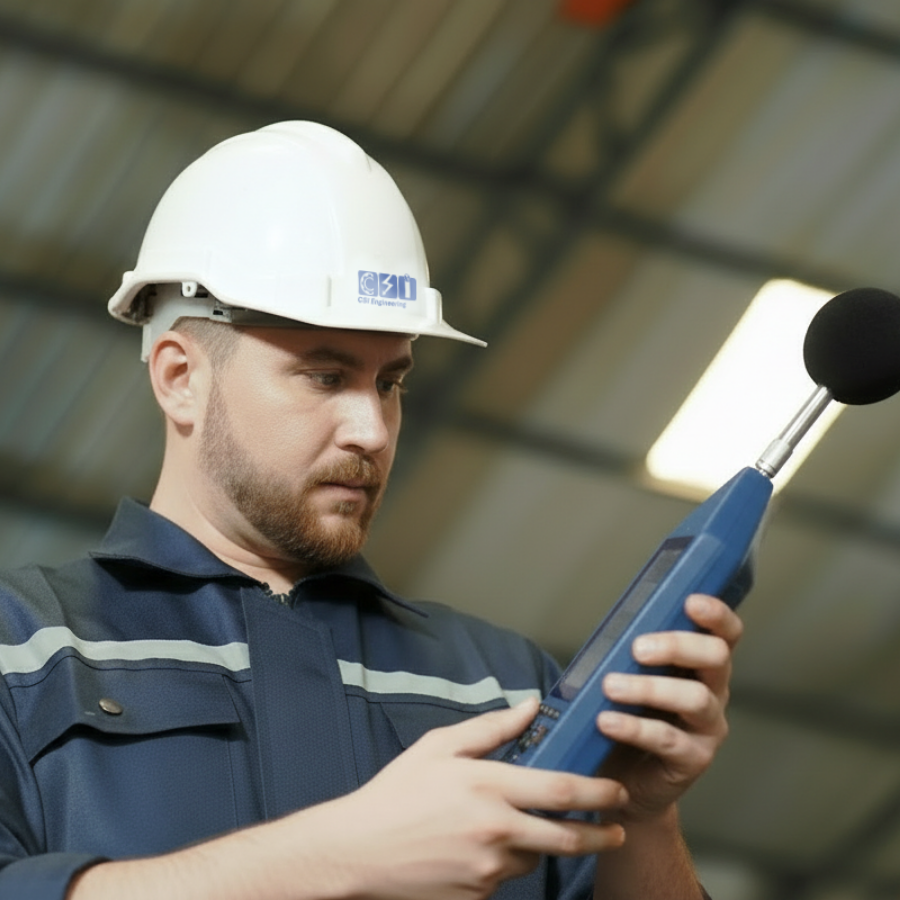
CSI’s Sound and Vibration Testing evaluates the acoustic performance of buildings, spaces, and systems to identify unwanted noise or vibration sources. The goal is to ensure that environments meet design criteria, regulatory requirements, and occupant comfort expectations.
Using advanced instrumentation and analysis techniques, CSI’s specialists measure sound levels, frequency characteristics, and vibration patterns. Tests may include airborne noise, structure-borne noise, and mechanical system vibration assessments. Results are analyzed to pinpoint problem areas, verify compliance with project specifications, and recommend effective mitigation measures, following this standard such as ISO 3382, ISO 16283, and ASTM E336.
Proper sound and vibration control enhances occupant comfort, protects sensitive equipment, and supports regulatory compliance. By diagnosing and addressing issues early, CSI helps prevent costly retrofits, extend equipment life, and create spaces that are acoustically balanced and free from disruptive noise or vibration.
.png)
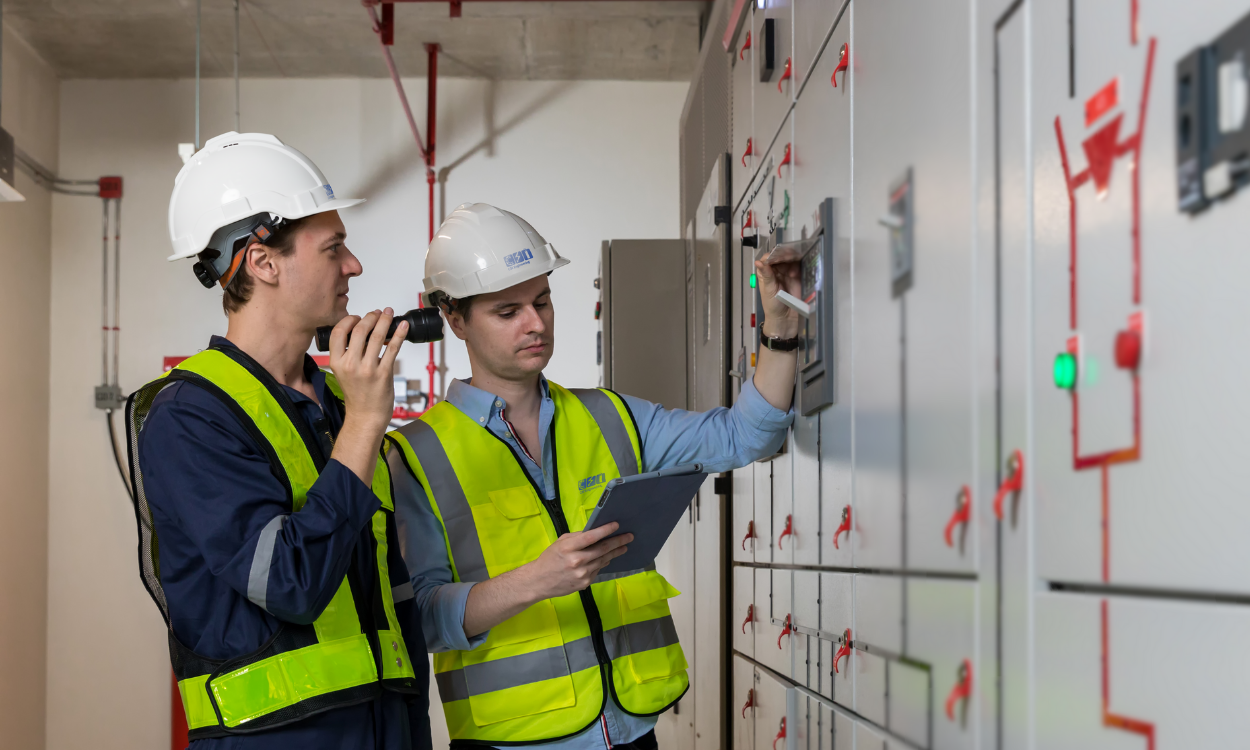
Electrical Testing is a specialized service where CSI evaluates electrical systems and components to confirm safe, reliable operation in compliance with relevant codes and standards. All testing is performed as an independent third-party in accordance with NETA ATS/STS standards, ensuring objective, industry-recognized validation.
Our experts inspect and test electrical circuits, equipment, grounding systems, and protective devices using calibrated instruments and proven procedures. We verify correct installation, confirm operational performance, and identify any faults or vulnerabilities that could compromise system safety or efficiency.
This service minimizes the risk of electrical failures, enhances overall safety, and ensures compliance with regulatory and industry benchmarks. By detecting hidden issues early, we help prevent costly downtime, operational hazards, and unplanned repairs, supporting long-term system reliability and performance.
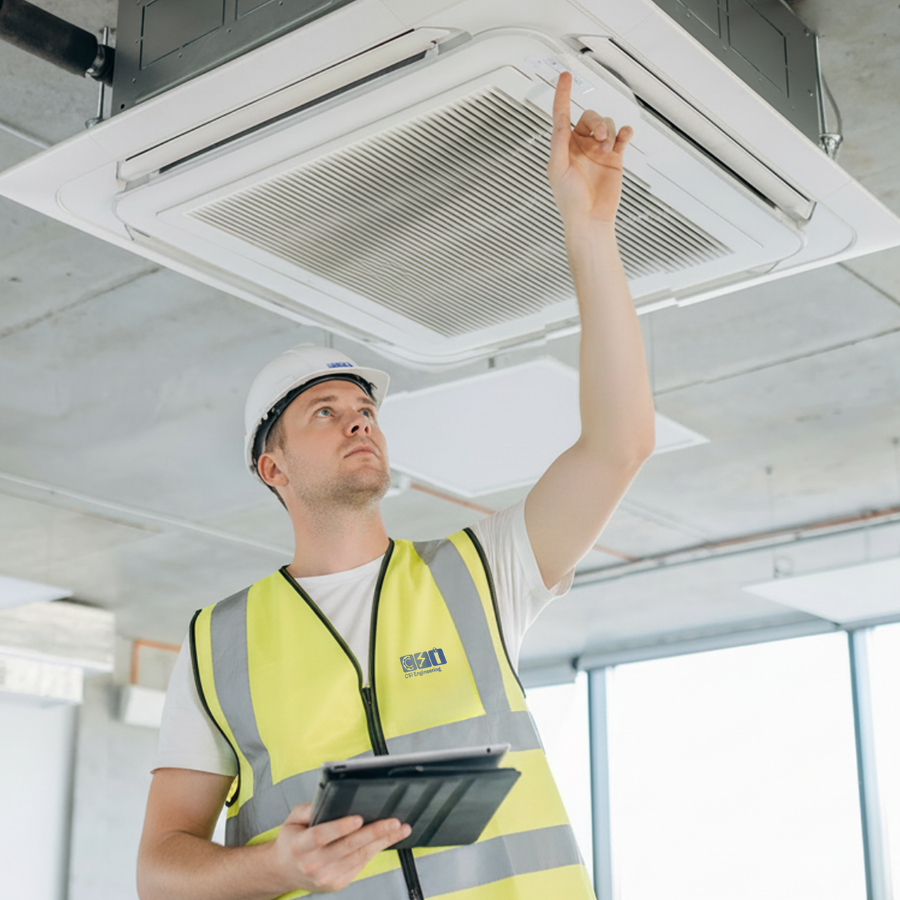
Duct Pressure Leakage Testing is a service where CSI evaluates the integrity and efficiency of HVAC duct systems by measuring air leakage in accordance with SMACNA and ASHRAE protocols. This ensures ductwork meets performance and energy efficiency standards.
Our team pressurizes specific duct sections using calibrated equipment, then measures the leakage rate to pinpoint leaks, poorly sealed joints, or construction flaws. The process provides precise data for targeted repairs or improvements, ensuring the duct system performs as designed.
Accurate duct leakage testing improves system efficiency, reduces energy waste, and safeguards indoor air quality. By identifying and addressing leaks early, the service lowers operating costs, prevents performance losses, and extends the lifespan of HVAC equipment.
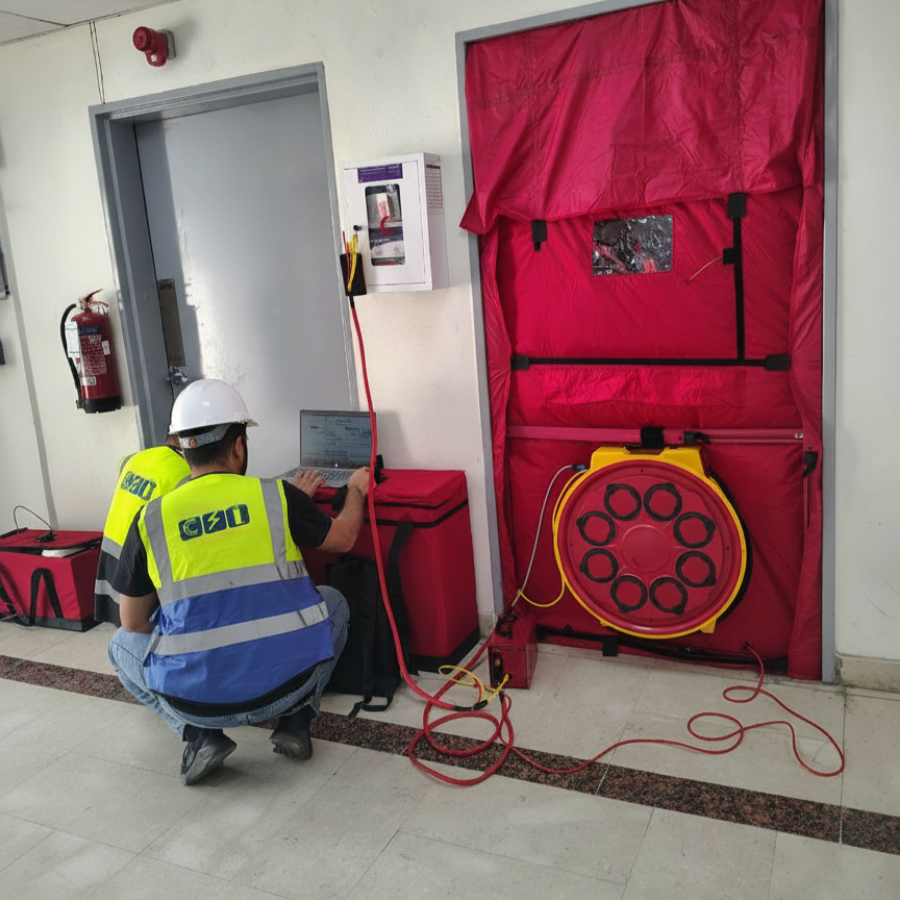
Cold Smoke Testing is used to visualize airflow patterns and potential leak paths within a building during a simulated fire scenario. This service is essential for evaluating the performance of smoke control systems and verifying that evacuation routes remain safe.
Using non-toxic, cold smoke, our experienced team releases visible vapor to trace its movement through ducts, corridors, and openings. This helps pinpoint deficiencies in smoke control, fire compartmentation, and overall building safety design.
Cold Smoke Testing provides clear, visual evidence of airflow and leakage paths, enabling informed decisions for system adjustments. It enhances occupant safety, improves evacuation planning, and strengthens compliance with fire safety strategies.
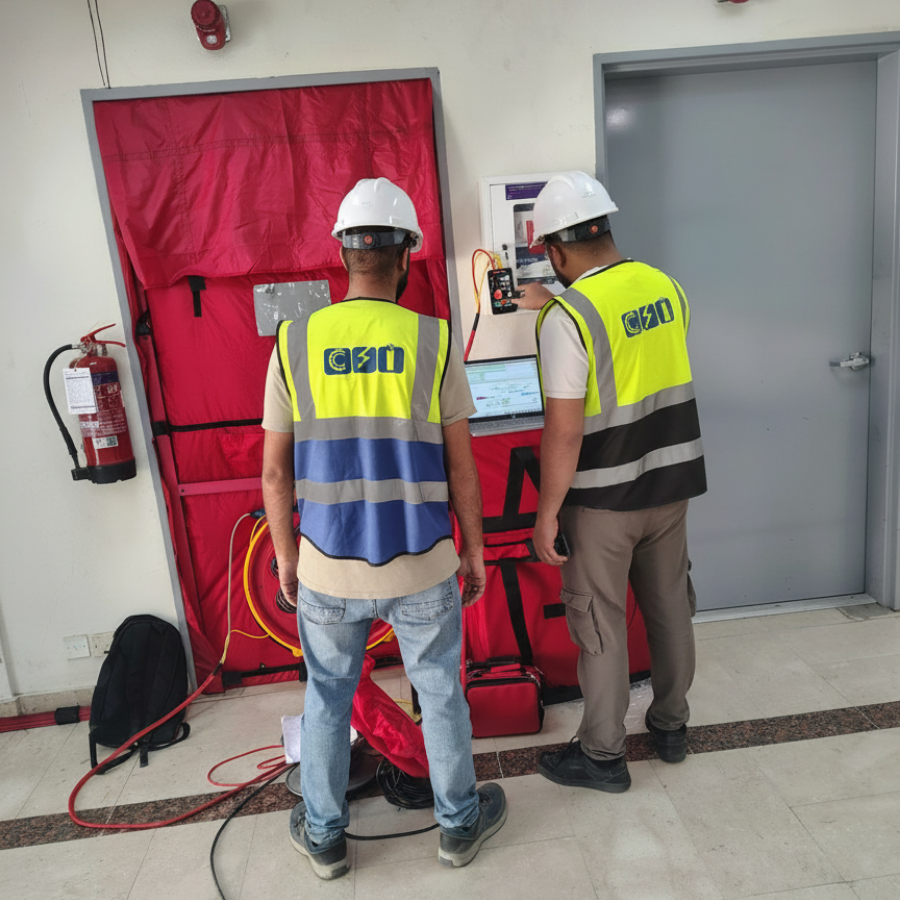
Room Integrity Testing is performed to verify that spaces protected by fire suppression systems such as clean rooms, server rooms, or data centers are sufficiently airtight to contain suppression gas during an emergency. This ensures the system operates effectively in accordance with ISO 14520 and NFPA 2001 standards.
Our specialists assess the airtightness of the room or enclosure by measuring how long suppression gas can be retained without significant leakage. The process identifies any gaps or weaknesses in the enclosure, enabling corrective actions before the system is put into service.
A properly sealed room maximizes the efficiency of suppression systems, prevents premature gas loss, and ensures compliance with safety standards, protecting both assets and personnel.
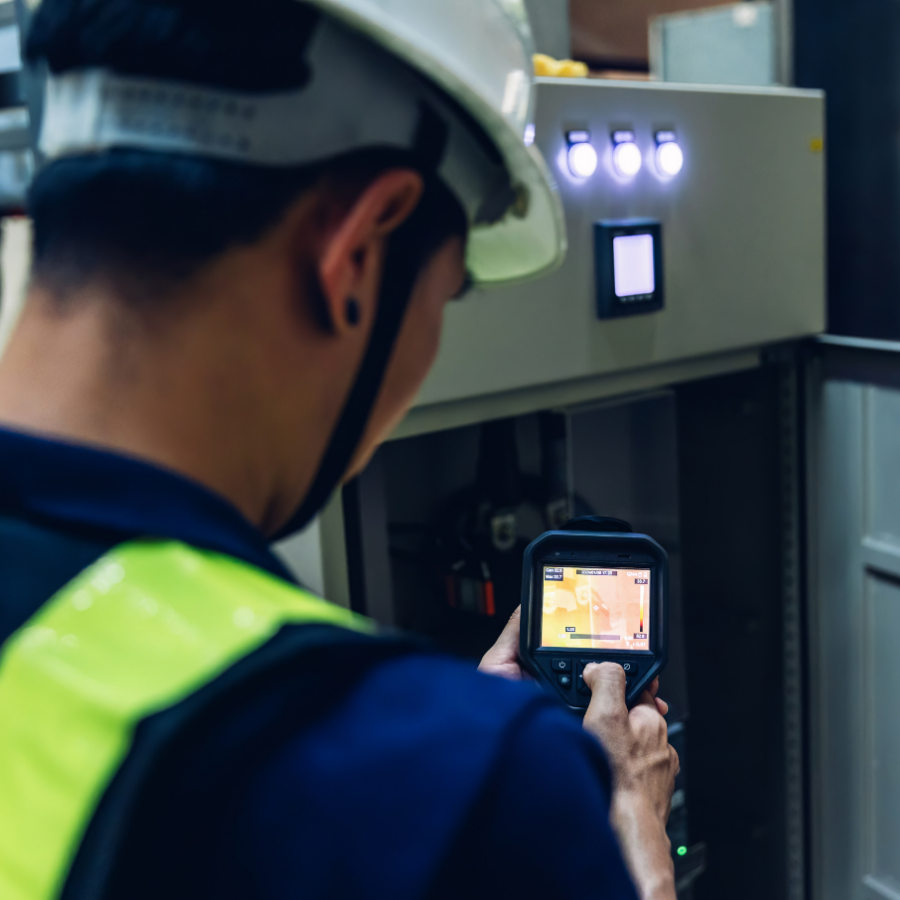
CSI’s Thermal Imaging service uses infrared technology to detect and visualize temperature differences in building systems and components. This allows us to uncover hidden issues, such as water leaks, heat gain or loss, inadequate insulation, and electrical hotspots that can impact comfort, safety, and energy efficiency.
Our experts perform detailed thermal scans of targeted areas, including electrical panels, HVAC systems, building envelopes, and mechanical equipment. Using high-resolution thermal cameras, we capture and analyze temperature variations, generating visual reports with annotated images that clearly identify problem areas and recommend corrective actions.
By detecting problems early, thermal imaging helps prevent costly failures, improve energy efficiency, and maintain a safe environment. It supports preventive maintenance, enhances system reliability, and ensures optimal building performance, all without invasive inspections or downtime.
 Testing.png)
CSI’s Indoor Air Quality (IAQ) Testing service assesses the health and comfort of indoor environments by measuring key environmental parameters such as temperature, humidity, carbon dioxide levels, airborne contaminants, and ventilation effectiveness. This evaluation ensures that building occupants are provided with safe, clean, and comfortable air.
Our specialists use calibrated instruments and sampling methods to monitor air quality over a defined period. We analyze results against international health and comfort standards to identify potential sources of indoor pollutants or ventilation deficiencies. Findings are compiled into a clear, actionable report with tailored recommendations for improvement.
Good indoor air quality reduces health risks, boosts occupant comfort and productivity, and supports regulatory compliance. Proactively monitoring IAQ helps prevent issues such as respiratory discomfort, mold growth, and sick building syndrome ensuring a safer, healthier indoor environment for everyone.
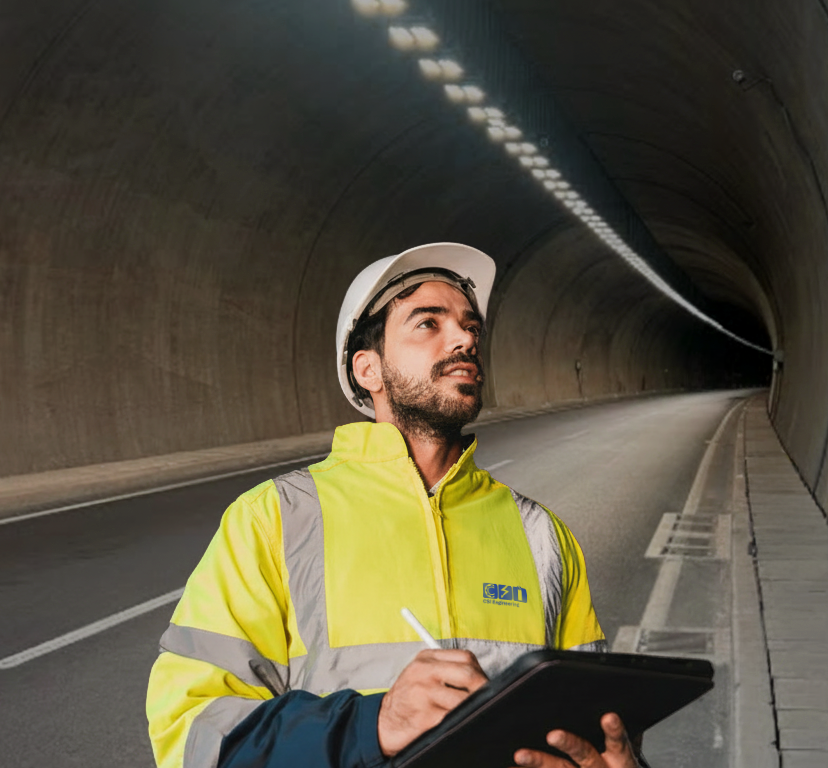
CSI’s Tunnel Ventilation Testing assesses the performance and reliability of ventilation systems in tunnels and underground structures. The service ensures that airflow, smoke control, and air quality systems function as intended under both normal and emergency conditions.
Our team conducts detailed measurements of airflow rates, pressure differentials, smoke extraction efficiency, and pollutant concentrations. Testing is performed using calibrated instruments and, where applicable, controlled smoke simulations to evaluate system response. The process verifies compliance with design specifications, safety codes, and operational requirements for emergency scenarios, following standards such as NFPA 502, PIARC guidelines, and BS EN 12101.
Effective tunnel ventilation is critical for maintaining safe air quality, controlling smoke during fire events, and ensuring the safety of occupants and emergency responders. CSI’s testing helps prevent hazardous conditions, improves system efficiency, and ensures regulatory compliance, ultimately protecting both infrastructure and human life.

CSI’s Building Envelope Testing service evaluates the performance of a structure’s exterior enclosure including walls, windows, roofs, and doors to ensure it meets design and performance standards. The assessment focuses on identifying air leakage, water intrusion, and thermal bridging that can affect energy efficiency, comfort, and structural durability. Testing is performed in accordance with ASTM E779 and EN 13829 standards.
Our team conducts controlled tests and inspections to measure airtightness, detect moisture pathways, and identify areas of thermal loss. Using specialized equipment and diagnostic methods, we pinpoint problem areas and provide actionable recommendations for improvement. This process may include pressurization/depressurization tests, infrared scanning, and water penetration testing.
A high-performing building envelope improves energy efficiency, reduces utility costs, and enhances occupant comfort. Early detection of leaks or thermal weaknesses prevents costly repairs, extends the building’s lifespan, and ensures compliance with performance standards protecting both the investment and its long-term operational value.
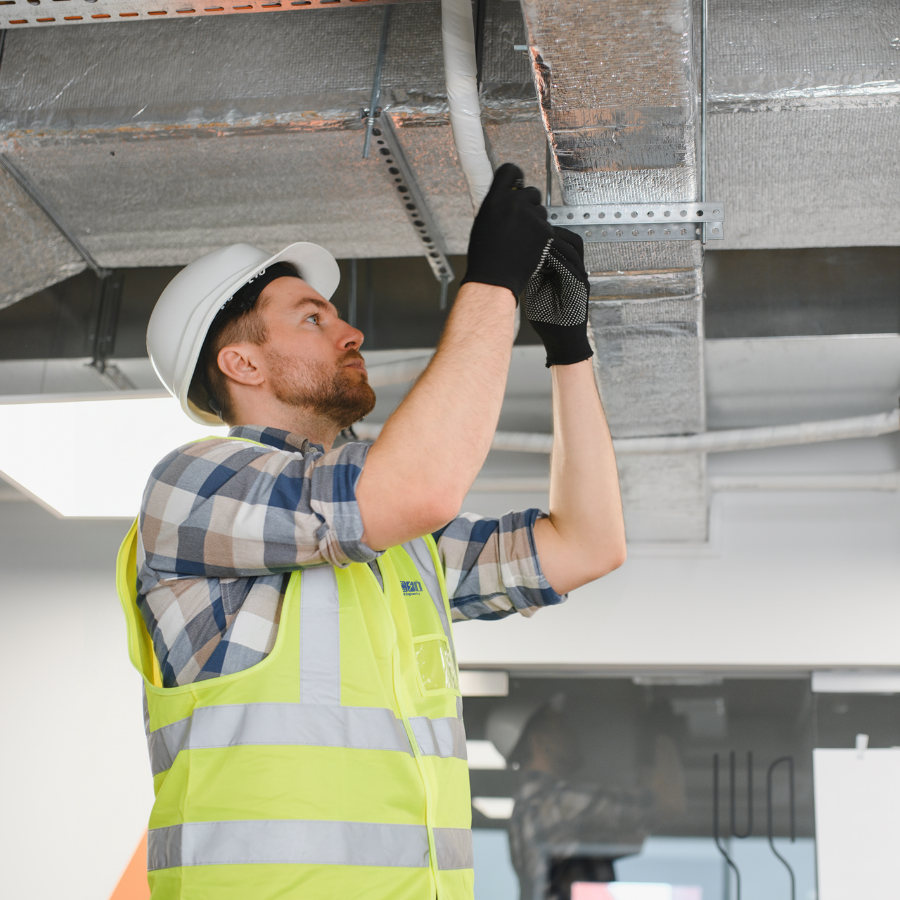
CSI’s Duct Cleaning service enhances indoor air quality and HVAC system efficiency by thoroughly cleaning supply and return ductwork. The process removes accumulated dust, mold, allergens, and construction debris that can compromise air quality and system performance.
Our team performs mechanical cleaning using specialized equipment, including rotary brushes and HEPA-filtered vacuum systems, to dislodge and extract contaminants from duct surfaces. All debris is collected and disposed of in compliance with Indoor Air Quality (IAQ) standards, ensuring a clean and safe process.
Regular duct cleaning improves air circulation, reduces airborne contaminants, and supports healthier indoor environments. It also helps HVAC systems operate more efficiently, lowering energy consumption, extending equipment lifespan, and preventing costly repairs caused by clogged or contaminated ducts.
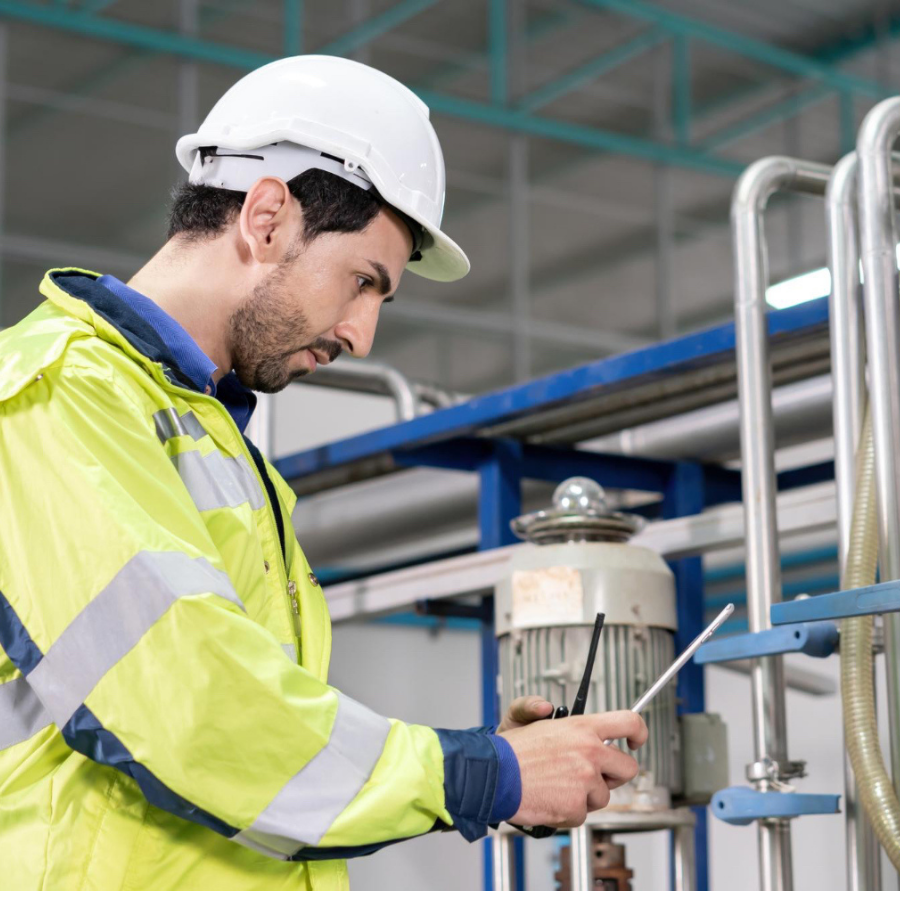
CSI’s Ultrasonic Flow Testing service delivers precise, non-invasive measurement of fluid flow rates in piping systems using advanced ultrasonic technology. This method enables accurate assessment of chilled water, condenser water, and other fluid circuits without interrupting operations, ensuring minimal disruption to building functionality.
Our specialists use state-of-the-art ultrasonic meters to capture real-time flow data, analyze system performance, and detect imbalances or inefficiencies. The process includes verifying flow rates against design specifications, identifying potential system constraints, and providing actionable recommendations for optimization.
Ultrasonic flow testing ensures that fluid systems operate efficiently, meet design intent, and maintain optimal performance. It helps prevent costly energy waste, supports balanced system operation, and provides verifiable data for commissioning, maintenance, and compliance purposes.

With a global footprint spanning over 20 countries, we apply international best practices while adapting to the specific needs of each client and location. Our work reflects reliability, accountability, and measurable impact.

CSI Engineering - Copyright . All rights reserved.
CSI combines seasoned professional experience with the energy of young engineers to deliver exceptional MEP engineering services. Focused on innovation, client satisfaction, and operational excellence, CSI develops tailored solutions that exceed expectations and build lasting partnerships.
