

Why Clients Choose Us:

CSI’s Energy Audits, conducted in accordance with ASHRAE Levels 1, 2, and 3, provide a comprehensive evaluation of a building’s energy consumption to identify inefficiencies and recommend targeted energy-saving measures. These audits combine in-depth data analysis with on-site inspections to deliver a complete picture of system performance and opportunities for improvement.
Our team begins by analyzing utility bills and energy consumption patterns to establish a performance baseline. We then conduct detailed site inspections to assess building systems, equipment, and operational practices. Using the collected data, we prepare a cost-benefit analysis of potential upgrades and develop an actionable implementation roadmap. The process culminates in a detailed energy audit report, including performance benchmarks, tailored recommendations, and projected savings.
Energy audits empower clients to reduce operational costs, improve system efficiency, and enhance occupant comfort while minimizing environmental impact. CSI’s methodical approach ensures clients have a clear, data-driven plan to prioritize investments, achieve measurable energy savings, and meet sustainability targets.
.png)
Energy Modeling Studies use advanced computer simulations to evaluate and predict the energy performance of buildings or systems. This process helps project teams compare design options, measure the benefits of energy efficiency strategies, and make data-driven decisions during design and construction.
CSI’s specialists create detailed digital models of the building’s systems including HVAC, lighting, envelope, and renewables to simulate their performance under real-world conditions. By running multiple scenarios, we assess energy use, thermal comfort, and cost implications, providing clear recommendations to optimize performance and sustainability.
Energy modeling enables smarter design choices, lower operating costs, and improved environmental outcomes. It helps ensure compliance with energy codes, supports green building certifications like LEED, Estidama, and GSAS, and maximizes long-term value by delivering efficient, high-performing buildings from day one.
.png)
Energy Measurement & Verification (M&V) focuses on quantifying and confirming the actual energy performance improvements achieved by efficiency projects or programs. This process validates that implemented measures deliver the expected savings and performance gains.
Following IPMVP protocols, CSI’s experts collect detailed operational and energy usage data before and after implementation. We analyze this data against established baselines or predicted values to accurately determine real energy savings. Our approach ensures transparent, reliable, and standards-compliant verification.
M&V provides proof of performance, builds stakeholder confidence, and supports regulatory or incentive program compliance. It also enables ongoing optimization by identifying any gaps between expected and actual results, helping ensure long-term cost savings and sustainability targets are met.

Energy Efficiency Projects Feasibility Study is a service where CSI assesses the potential of implementing energy-saving measures in buildings. This includes analyzing technical, economic, and environmental factors to determine whether proposed solutions are practical, cost-effective, and beneficial in the long term.
CSI’s experts evaluate building systems, energy consumption patterns, and operational requirements to identify viable efficiency measures. Using detailed modeling, cost–benefit analysis, and environmental impact assessments, we determine the most effective solutions. Our team also prepares actionable recommendations, complete with implementation plans and expected performance outcomes.
This service enables informed decision-making by providing a clear understanding of the potential savings, return on investment, and sustainability benefits. It reduces the risk of investing in ineffective measures, supports budget allocation, and ensures that selected projects align with both environmental goals and operational needs.
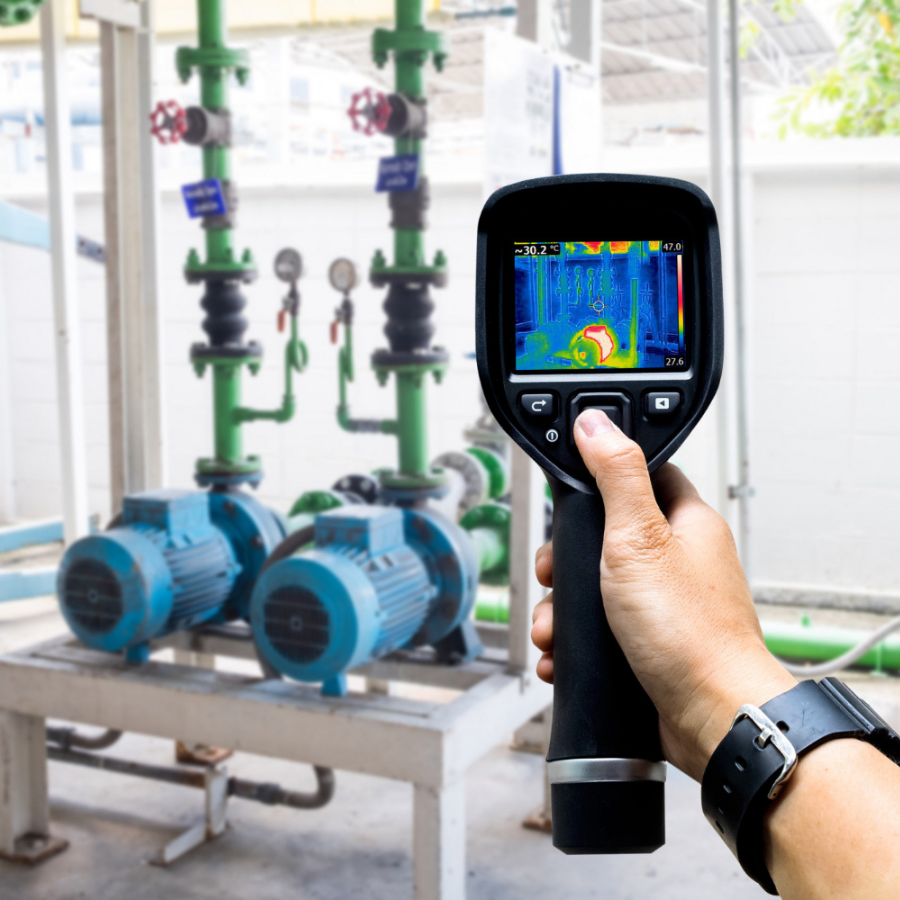
CSI’s Thermal Performance Analysis evaluates how building elements and systems manage heat transfer to enhance energy efficiency and occupant comfort. This service covers insulation quality, glazing performance, HVAC efficiency, and the effectiveness of passive design strategies, ensuring the building performs optimally in various climate conditions.
Our team uses advanced modeling tools, on-site measurements, and simulation techniques to assess thermal properties and identify areas for improvement. We analyze heat gain/loss, insulation continuity, thermal bridging, and glazing performance to recommend targeted design or retrofit measures.
A well-executed thermal performance analysis reduces energy consumption, lowers utility costs, and improves occupant comfort year-round. It also supports compliance with energy codes, enhances durability, and contributes to achieving sustainability certifications such as LEED, Estidama, or GSAS.
CSI’s Dynamic Energy Simulations use advanced modeling tools to predict and analyze a building’s real-time energy performance under varying conditions. This service supports informed decision-making by identifying potential energy-saving measures, evaluating system performance, and optimizing building operations for maximum efficiency.
Our specialists create detailed simulation models that incorporate building design, occupancy patterns, climate data, and operational parameters. We assess how changes in systems, materials, or control strategies affect energy usage and explore “what-if” scenarios to identify the most effective solutions.
Dynamic energy simulations enable precise forecasting of energy consumption, helping reduce operational costs and environmental impact. They guide efficient system design, enhance occupant comfort, and support compliance with sustainability and energy performance standards.

CSI’s Solar Energy Systems service focuses on the design and integration of renewable solar technologies such as photovoltaic (PV) panels and solar thermal systems into building projects. This ensures optimized energy generation, reduced reliance on conventional energy sources, and alignment with sustainability goals.
Our experts begin by assessing the site’s solar potential through detailed analysis of orientation, shading, and climatic data. We then determine optimal system sizing, select high-performance components, and develop integration plans with existing building systems. The process includes coordination with architects, engineers, and contractors to ensure seamless installation and long-term efficiency.
Incorporating solar energy systems reduces operational costs, minimizes carbon footprint, and enhances building resilience against energy price fluctuations. It also supports regulatory compliance, improves green building ratings, and demonstrates a commitment to clean energy adoption.
.png)
Carbon Footprint Assessment measures and analyzes the greenhouse gas (GHG) emissions associated with an organization, building, or project across Scope 1 (direct emissions), Scope 2 (indirect emissions from purchased energy), and Scope 3 (other indirect emissions throughout the value chain). This provides a complete picture of environmental impact.
CSI’s sustainability experts gather and review activity data such as fuel consumption, electricity use, transportation, and supply chain inputs using internationally recognized protocols like the GHG Protocol. We quantify emissions for each scope, identify key emission sources, and provide actionable strategies for reduction and offsetting.
A comprehensive carbon footprint assessment helps organizations meet ESG commitments, comply with reporting requirements, and identify opportunities for decarbonization. It enhances corporate reputation, supports stakeholder engagement, and sets a clear pathway toward achieving net-zero goals.
.png)
Life Cycle Cost Analysis (LCCA) evaluates the total financial impact of a project or asset from inception to end-of-life. It considers all costs including initial capital investment, operating expenses, maintenance, energy consumption, and eventual replacement or disposal, providing a comprehensive view of long-term value.
CSI’s experts collect detailed cost data, model various operational scenarios, and factor in potential savings from efficiency measures or design optimizations. Using industry-standard methodologies, we compare alternatives to determine the most cost-effective solution over the asset’s lifespan.
Life Cycle Cost Analysis empowers stakeholders to make informed, financially sound decisions. It helps balance upfront investment with long-term savings, reduce operational risks, and optimize resource allocation, ultimately ensuring greater return on investment and sustainable asset performance.
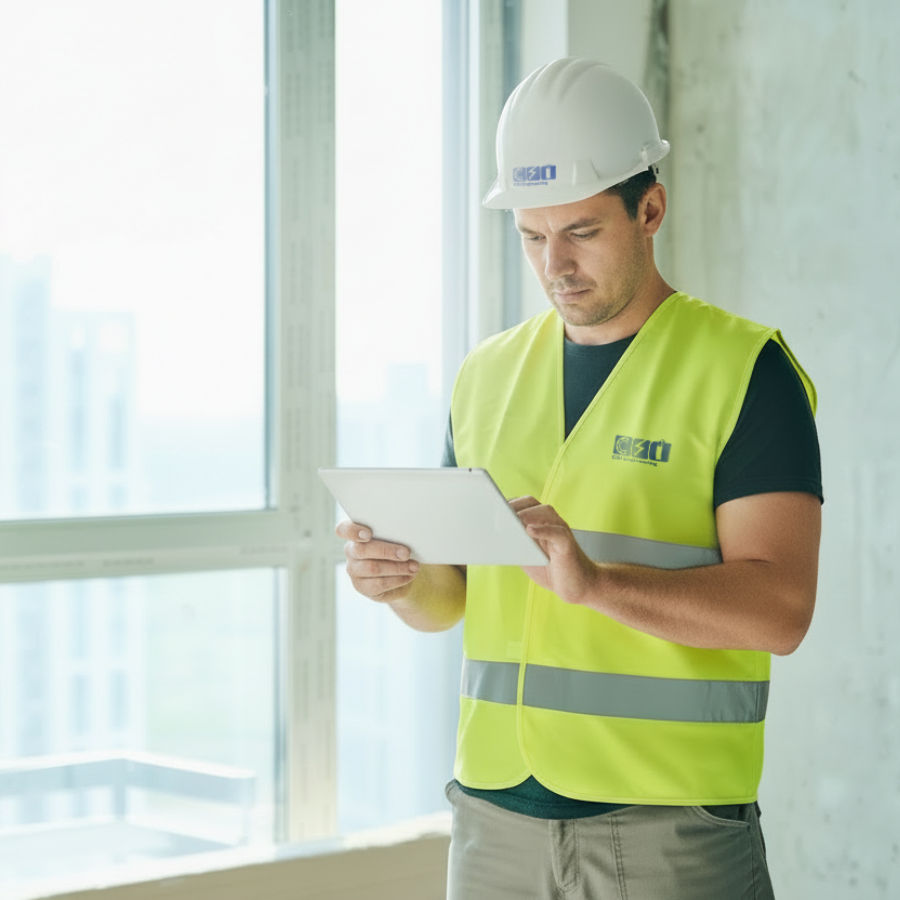
Microclimate and Daylight Analysis evaluates the site-specific environmental conditions and natural lighting performance of a building or project area. This includes studying factors such as temperature, wind patterns, humidity, solar exposure, and daylight penetration to optimize comfort, energy efficiency, and sustainability outcomes.
CSI’s specialists use advanced simulation tools and on-site measurements to analyze microclimatic conditions and daylight availability. For microclimate analysis, we assess how the surrounding environment interacts with the building’s design. For daylight analysis, we measure daylight distribution, glare potential, and solar access to inform architectural layout, shading strategies, and glazing specifications.
By integrating microclimate and daylight insights early in the design process, projects benefit from improved occupant comfort, reduced energy loads, and enhanced indoor environmental quality. This service also supports compliance with green building standards and maximizes the potential for natural light, creating healthier and more sustainable spaces.

LEED Consultancy is a specialized service where CSI guides projects through the Leadership in Energy and Environmental Design (LEED) certification process. This includes planning, documentation, and implementation of strategies that meet LEED criteria to achieve the desired certification level.
CSI’s accredited professionals work closely with project teams from concept to certification. We identify relevant LEED credits, integrate sustainable design and construction practices, coordinate with stakeholders, and prepare all necessary documentation for submission. Our team also conducts progress tracking and ensures compliance with USGBC requirements at each project stage.
A well-managed LEED certification process enhances a building’s environmental performance, reduces operating costs, and boosts market value. It also demonstrates a strong commitment to sustainability, increases occupant well-being, and helps projects stand out in competitive real estate markets while meeting ESG and regulatory goals.
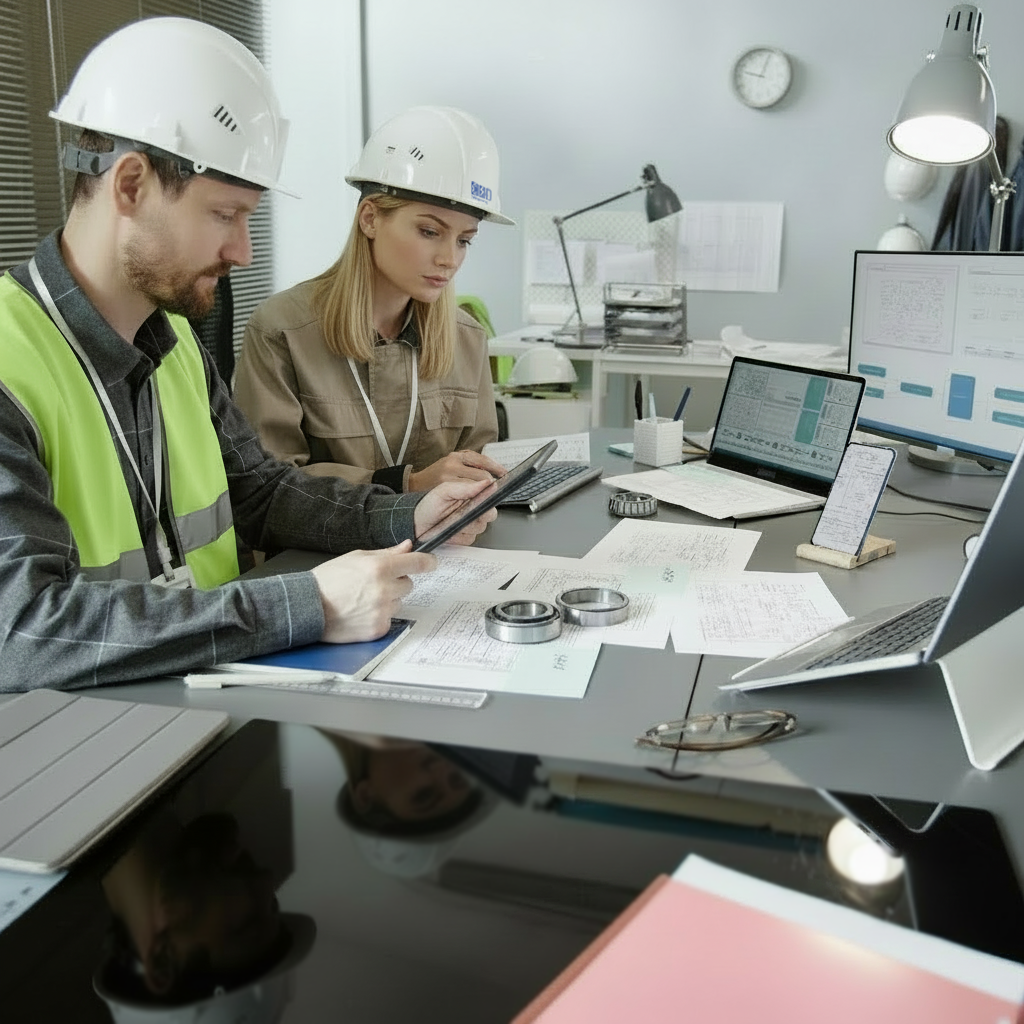
Sustainability Design Assessment is a service where CSI evaluates a building’s design to measure its environmental impact and resource efficiency. This process examines key factors such as site selection, building orientation, material choices, and system performance to uncover opportunities for integrating sustainable design strategies.
CSI’s sustainability experts review design documents, conduct simulations, and analyze site and system data to assess how effectively the project meets sustainability objectives. We identify design improvements ranging from passive strategies like natural ventilation and daylighting to advanced energy and water conservation technologies, and align them with relevant green building standards and client goals.
This service ensures that sustainability is embedded early in the design process, leading to lower environmental impact, improved building performance, and long-term operational savings. It supports compliance with sustainability frameworks, enhances project marketability, and helps achieve green building certifications.
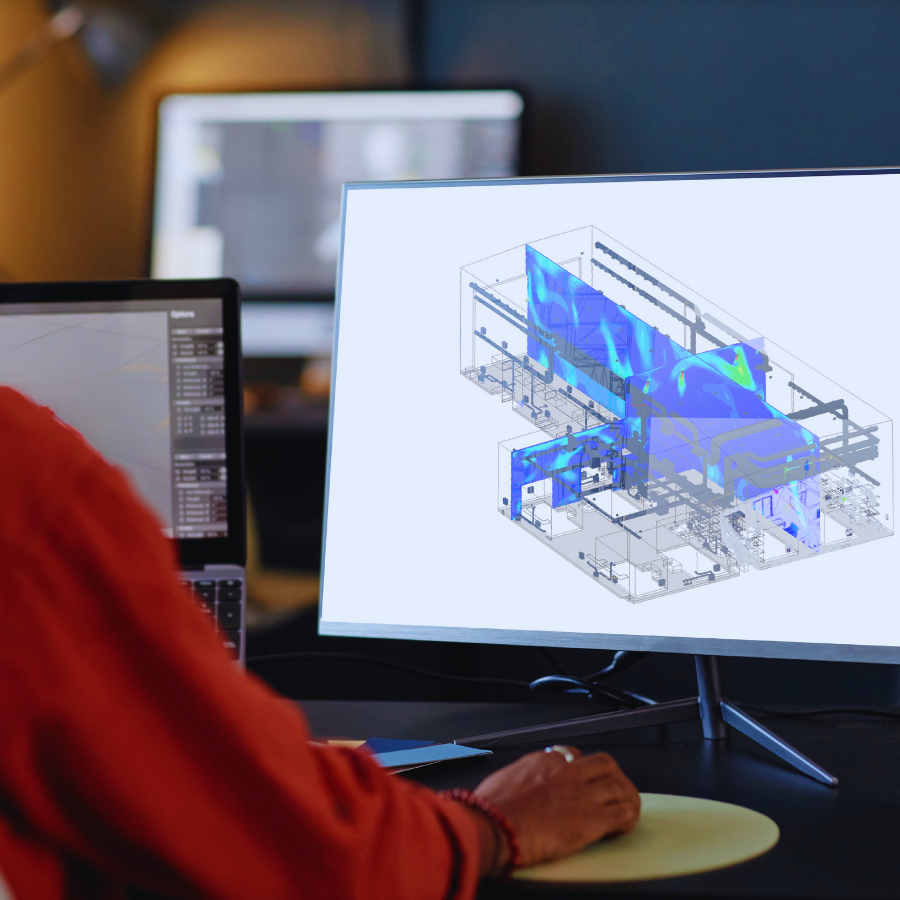
Computational Fluid Dynamics (CFD) Analysis is a service where CSI uses advanced simulation technology to model and visualize airflow, temperature distribution, and smoke movement within buildings or specialized spaces. This analysis supports the optimization of HVAC design, smoke control strategies, thermal comfort, and overall energy efficiency, ensuring designs meet performance and safety requirements.
Our CFD specialists create detailed 3D models of building spaces and run simulation scenarios that replicate real-world conditions. We assess airflow patterns, heat transfer, and smoke dispersion under various operating or emergency situations. Findings are then used to refine design parameters, verify code compliance, and optimize system performance before installation or commissioning.
CFD Analysis helps prevent costly design errors, improves system efficiency, and enhances occupant comfort and safety. It provides visual, data-backed insights that support informed decision-making, facilitate regulatory approvals, and ensure reliable performance throughout the building’s lifecycle.

Sustainability Consultancy is a service where CSI provides expert guidance to help clients develop and implement effective sustainability strategies. This includes setting achievable targets, assessing environmental impacts, and identifying best practices to reduce resource consumption, minimize waste generation, and lower greenhouse gas emissions.
Sustainability Consultancy is a service where CSI provides expert guidance to help clients develop and implement effective sustainability strategies. This includes setting achievable targets, assessing environmental impacts, and identifying best practices to reduce resource consumption, minimize waste generation, and lower greenhouse gas emissions.
Our consultants work closely with clients to understand their operations, goals, and challenges. We then design tailored sustainability initiatives, integrating industry best practices, regulatory requirements, and innovative solutions. This may include energy efficiency measures, waste reduction programs, water conservation strategies, and carbon reduction plans, all supported by clear performance metrics.
With CSI’s Sustainability Consultancy, clients benefit from reduced environmental impact, improved operational efficiency, and alignment with ESG (Environmental, Social, and Governance) goals. The result is enhanced brand reputation, regulatory compliance, and a practical roadmap toward long-term environmental responsibility and resilience.

A Sustainability Management Plan is a strategic framework designed by CSI to minimize a building’s environmental impact while maximizing resource efficiency. The plan outlines targeted measures to improve energy performance, reduce water consumption, manage waste effectively, promote renewable energy adoption, and enhance indoor environmental quality across a single building or portfolio.
A Sustainability Management Plan is a strategic framework designed by CSI to minimize a building’s environmental impact while maximizing resource efficiency. The plan outlines targeted measures to improve energy performance, reduce water consumption, manage waste effectively, promote renewable energy adoption, and enhance indoor environmental quality across a single building or portfolio.
Our team collaborates with stakeholders to assess current performance, set sustainability goals, and develop a tailored, actionable plan. This includes implementing energy-saving technologies, water conservation initiatives, waste reduction strategies, renewable energy integration, and indoor air quality improvements. The plan is supported by measurable benchmarks to track progress over time.
With CSI’s Sustainability Management Plan, clients gain a comprehensive roadmap to reduce environmental impact, lower operating costs, and improve occupant health and comfort. The plan supports long-term asset value, ensures alignment with sustainability standards and regulations, and helps achieve ESG and net-zero targets.

CSI’s Sustainability Guidelines provide a clear and practical framework to support sustainable design and construction practices from concept to completion. These guidelines address key areas such as energy efficiency, water conservation, waste management, indoor environmental quality, and renewable energy integration, ensuring that sustainability principles are embedded in every stage of a project.
Our experts develop tailored guidelines based on the project’s goals, location, and regulatory requirements. We incorporate industry best practices, relevant standards, and proven strategies to optimize resource efficiency, reduce environmental impact, and enhance occupant well-being. The guidelines are designed to be actionable, measurable, and adaptable to a variety of building types and scales.
By implementing CSI’s Sustainability Guidelines, clients benefit from a structured approach that drives consistent, high-quality sustainable outcomes. These guidelines help reduce operational costs, ensure regulatory and certification compliance, enhance environmental performance, and strengthen the project’s market reputation for sustainability leadership.

CSI’s Project Registration and Documentation service streamlines the process of achieving Leadership in Energy and Environmental Design (LEED) certification. We handle all aspects of registration, documentation, and compliance to ensure projects meet LEED requirements efficiently and accurately.
Our team coordinates directly with project stakeholders to gather required data, prepare credit submittals, and maintain organized documentation in line with LEED guidelines. We manage submissions through the official LEED platform, track progress, and address any reviewer comments to keep the certification process on schedule.
By managing the registration and documentation process, CSI reduces administrative burden, minimizes errors, and accelerates certification timelines. This service ensures full compliance, supports the achievement of targeted LEED ratings, and enhances the project’s sustainability credentials.

With a global footprint spanning over 20 countries, we apply international best practices while adapting to the specific needs of each client and location. Our work reflects reliability, accountability, and measurable impact.

CSI Engineering - Copyright . All rights reserved.
CSI combines seasoned professional experience with the energy of young engineers to deliver exceptional MEP engineering services. Focused on innovation, client satisfaction, and operational excellence, CSI develops tailored solutions that exceed expectations and build lasting partnerships.
